
Electrical terms can feel confusing if you do not deal with them every day. Whether you are planning a renovation, dealing with an electrical repair, or trying to better understand your home, learning a few common electrical terms can make it easier to ask the right questions and make informed decisions. This guide breaks down important electrical terms in simple language so homeowners can better understand repairs, upgrades, safety concerns, and everyday electrical work.
Common Electrical Terms Explained for Homeowners
Below, you’ll find a homeowner-friendly glossary of common electrical terms grouped by topic. Use the table of contents to jump to the section you need, or scroll through the full guide to better understand how your home’s electrical system works.
Basic Electrical Terms
These are some of the most common electrical terms homeowners come across when discussing repairs, upgrades, renovations, and everyday electrical issues.
What is Voltage?
What is Voltage?
Voltage is the electrical pressure that pushes electricity through a circuit. In simple terms, it helps move power from your electrical panel to the lights, outlets, appliances, and devices throughout your home.
Why it mattersDifferent systems and devices require the correct voltage to work safely and efficiently. If voltage is too high or too low for the application, it can affect performance, reliability, and in some cases the lifespan of the equipment.
Why you should know thisUnderstanding voltage can help you make more sense of appliance requirements, lighting upgrades, EV charger installations, and other electrical recommendations around your home.
What is Amperage?
What is Amperage?
Amperage, often called amps, measures how much electrical current is flowing through a circuit. While voltage helps push electricity, amperage reflects how much current is actually being carried through the wiring.
Why it mattersYour home’s electrical system needs enough amperage to safely support the power demands of appliances, lighting, heating and cooling equipment, and other daily electrical use.
Why you should know thisThis term often comes up when discussing panel capacity, service upgrades, EV chargers, or larger renovations, so knowing what it means can help you better understand whether your home can handle added demand.
What is Wattage?
What is Wattage?
Wattage measures how much electrical power a fixture, appliance, or device uses. It is one of the ways electricians and homeowners understand how much demand something places on the electrical system.
Why it mattersWattage affects how much load a circuit carries, which matters when adding new lighting, appliances, or other equipment to your home.
Why you should know thisKnowing wattage can help you choose the right bulbs, understand power usage, and better evaluate whether a new device or upgrade may need electrical changes.
What is a Circuit?
What is a Circuit?
A circuit is the path electricity follows from your panel to the outlets, switches, fixtures, and appliances it serves. Each circuit is designed to carry power to a specific part of your home.
Why it mattersWhen a circuit becomes overloaded, damaged, or improperly wired, it can lead to breaker trips, power issues, or safety concerns.
Why you should know thisUnderstanding the role of circuits can help you better follow explanations during troubleshooting and understand why some upgrades require changes to how power is distributed in the home.
What is Electrical Load?
What is Electrical Load?
Electrical load refers to the amount of power being used by lights, appliances, equipment, and devices connected to your electrical system at a given time.
Why it mattersIf the load on a circuit or panel becomes too high, it can lead to tripped breakers, reduced performance, overheating, or the need for an electrical upgrade.
Why you should know thisThis term becomes especially useful when planning renovations, adding appliances, or installing things like EV chargers, because it helps explain whether your current system can support more demand.
What is a Dedicated Circuit?
What is a Dedicated Circuit?
A dedicated circuit is a circuit designed to serve one appliance, device, or area only, instead of sharing power with other outlets or equipment.
Why it mattersCertain appliances and systems need dedicated circuits to operate safely and reliably, especially when they draw more power than general household devices.
Why you should know thisIf you are adding a microwave, EV charger, heat pump, or other high-demand equipment, this term may come up as part of the installation requirements and overall electrical planning.
What is Alternating Current (AC)?
What is Alternating Current (AC)?
Alternating current, or AC, is the type of electricity used in most homes. It changes direction as it flows, which makes it practical for delivering power over distance and into residential electrical systems.
Why it mattersMost household electrical systems, outlets, and appliances are designed to run on alternating current rather than direct current.
Why you should know thisYou do not need to know the technical details, but understanding that your home runs on AC can help when comparing household power to batteries, solar components, or EV charging equipment.
What is Direct Current (DC)?
What is Direct Current (DC)?
Direct current, or DC, is electricity that flows in one direction. It is commonly used in batteries, electronics, and some specialized equipment rather than standard household outlets.
Why it mattersDC is used in many devices and systems homeowners rely on, even though the home itself is generally powered by AC.
Why you should know thisThis term may come up when discussing batteries, solar equipment, electronics, or electric vehicle technology, and knowing the difference between AC and DC can make those conversations easier to follow.
Panel & Power Terms
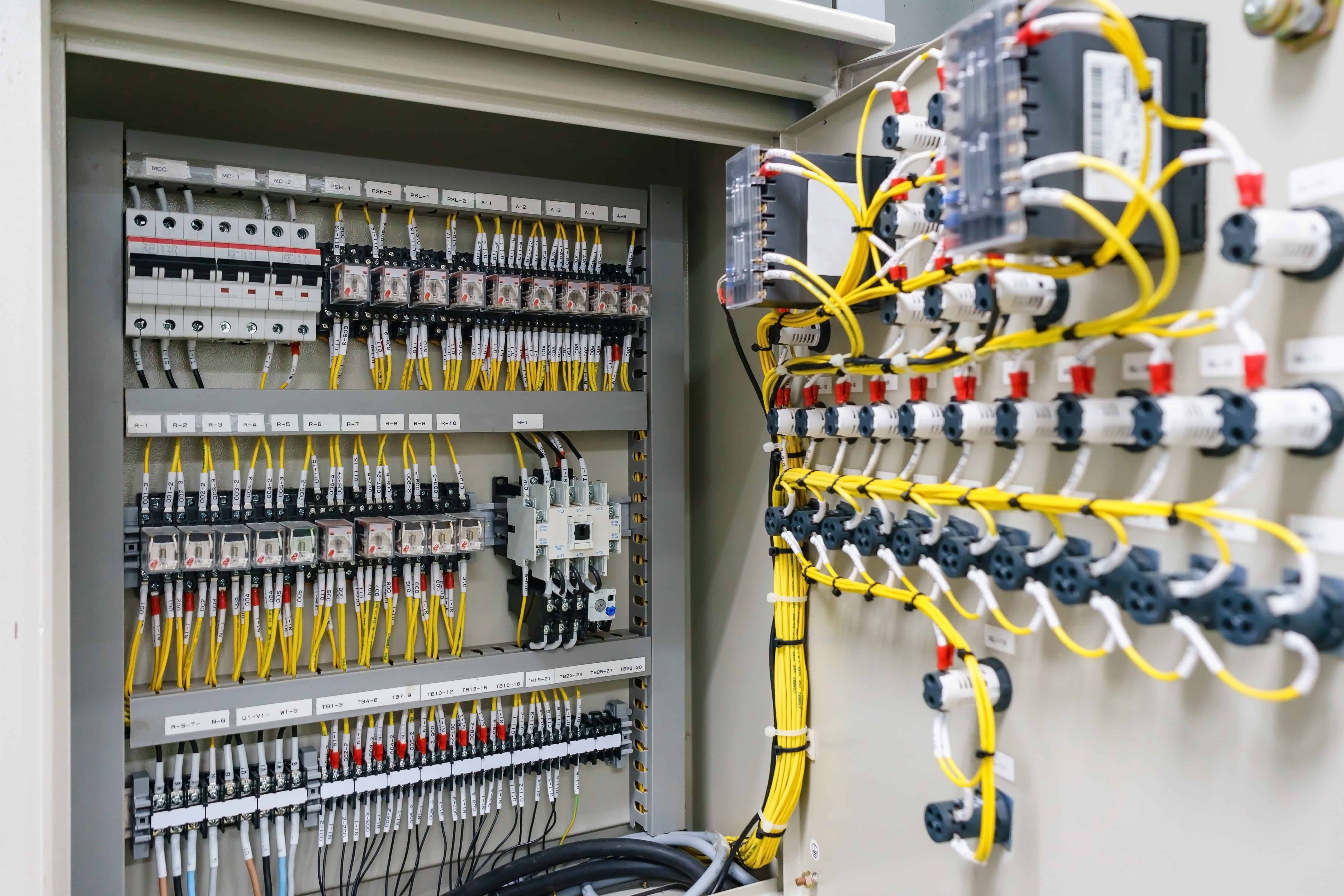
These electrical terms often come up when homeowners are dealing with panel upgrades, breaker issues, power distribution, or planning for increased electrical demand in the home.
What is an Electrical Panel?
What is an Electrical Panel?
An electrical panel is the main distribution point for electricity in your home. It receives incoming power and sends it to the different circuits that serve your lights, outlets, appliances, and other electrical systems.
Why it mattersIf your panel is outdated, undersized, or overloaded, it may not safely support modern electrical needs, especially during renovations or when adding higher-demand equipment.
Why you should know thisHomeowners often hear this term when breakers trip frequently, a panel upgrade is recommended, or new additions like EV chargers or appliances require more electrical capacity.
What is a Breaker?
What is a Breaker?
A breaker is a safety device inside your electrical panel that shuts off power to a circuit when it detects a problem such as an overload or fault.
Why it mattersBreakers help protect your home from overheating, electrical damage, and potential safety hazards by interrupting power before a problem becomes more serious.
Why you should know thisIf a breaker keeps tripping, it usually points to an issue worth paying attention to. Knowing what a breaker does can help you better understand when something is minor and when it may need professional repair.
What is a Tripped Breaker?
What is a Tripped Breaker?
A tripped breaker is a breaker that has automatically shut off because it detected an overload, short circuit, or another electrical issue on that circuit.
Why it mattersA tripped breaker is a sign that the electrical system is protecting itself. Occasional trips can happen, but repeated trips often point to a larger issue that should be investigated.
Why you should know thisUnderstanding what a tripped breaker means can help you respond more calmly, avoid repeatedly resetting it without a reason, and recognize when the issue may need an electrician’s attention.
What is a Service Upgrade?
What is a Service Upgrade?
A service upgrade increases the amount of electrical power your home can safely receive and distribute. This usually involves upgrading the main electrical service and related components.
Why it mattersAs homes add more appliances, renovations, electric heating or cooling equipment, and EV chargers, the original service may no longer be enough to safely support the load.
Why you should know thisIf you are planning a renovation or adding major electrical equipment, this term can help you understand why an electrician may recommend increasing your home’s overall capacity instead of just adding a circuit.
What is a Subpanel?
What is a Subpanel?
A subpanel is a smaller electrical panel connected to the main panel. It helps distribute power to a specific area of the home, such as an addition, garage, workshop, or basement.
Why it mattersSubpanels can improve organization, make certain areas easier to manage electrically, and support expansions where the main panel alone may not be the most practical setup.
Why you should know thisIf you are adding a new area to the home or expanding how a space is used, understanding what a subpanel does can help you make sense of how power might be safely distributed.
What is Surge Protection?
What is Surge Protection?
Surge protection helps shield your electrical system and devices from sudden spikes in voltage. These surges can happen because of storms, utility issues, or internal electrical events in the home.
Why it mattersPower surges can damage sensitive electronics, appliances, and connected devices, sometimes without obvious immediate signs.
Why you should know thisThis term is useful to understand if you want to better protect your home’s electronics, especially if you have expensive appliances, a home office setup, or areas where reliable equipment performance matters.
What is a Main Breaker?
What is a Main Breaker?
A main breaker is the primary breaker that controls power to your entire electrical panel. It can shut off electricity to the whole home or protect the panel if the overall electrical demand becomes unsafe.
Why it mattersThe main breaker plays an important role in protecting the larger electrical system, not just one individual circuit.
Why you should know thisKnowing what the main breaker is can be helpful during emergencies, service work, panel discussions, or situations where power needs to be shut off safely to the entire home.
What is a Fuse Box?
What is a Fuse Box?
A fuse box is an older type of electrical panel that uses fuses instead of breakers to protect circuits. Many older homes still have fuse boxes, although newer systems typically use breaker panels.
Why it mattersOlder fuse boxes may not be as practical for modern electrical demands and can become a point of concern during upgrades, renovations, or home inspections.
Why you should know thisIf you own or are buying an older home, this term may come up when discussing panel replacements, safety improvements, or whether your home’s electrical system is ready for modern living.
Wiring & Safety Terms
These are some of the most important electrical terms homeowners may hear when dealing with older wiring, safety upgrades, inspections, outlet issues, and common electrical concerns around the home.
What is Aluminum Wiring?
What is Aluminum Wiring?
Aluminum wiring is a type of electrical wiring that was used in some older homes instead of copper wiring. While it was accepted at the time, it often requires special attention today because it behaves differently than copper.
Why it mattersOlder aluminum wiring may require upgrades, repairs, or corrective measures to improve long-term safety and reliability in the home.
Why you should know thisIf you own or are buying an older home, this term may come up during an inspection or electrical assessment. Understanding it can help you better evaluate recommendations and safety-related upgrades.
What is Copper Tailing?
What is Copper Tailing?
Copper tailing is a method used to connect copper wiring to existing aluminum wiring in a home. It is commonly used as a targeted upgrade in homes with aluminum branch wiring.
Why it mattersIt can be a practical way to improve safety and reliability without needing to fully rewire the home.
Why you should know thisThis term may come up if your electrician identifies aluminum wiring and recommends a more focused solution to improve safety while avoiding a larger rewire.
What is Grounding?
What is Grounding?
Grounding is a safety feature that gives electricity a controlled path to follow if something goes wrong in the system. It helps direct stray electrical current away from people and sensitive equipment.
Why it mattersProper grounding is an important part of a safe electrical system and helps reduce the risk of shock, equipment damage, and other hazards.
Why you should know thisThis term often comes up during inspections, outlet upgrades, or discussions about older homes. Understanding it can help you better grasp why certain safety improvements may be recommended.
What is Bonding?
What is Bonding?
Bonding is the process of connecting metal components in an electrical system so they stay at the same electrical potential. This helps reduce the risk of dangerous voltage differences between conductive surfaces.
Why it mattersBonding supports overall electrical safety and works together with grounding to help protect people and property from shock risks.
Why you should know thisHomeowners may hear this term during service upgrades, inspection work, or discussions about code compliance. Knowing what it means helps make sense of safety-focused recommendations.
What is a GFCI Outlet?
What is a GFCI Outlet?
A GFCI outlet is a safety outlet designed to quickly shut off power when it detects a fault, especially in areas where water may be present. GFCI stands for Ground Fault Circuit Interrupter.
Why it mattersGFCI outlets help reduce the risk of electric shock and are commonly used in kitchens, bathrooms, laundry rooms, garages, and outdoor spaces.
Why you should know thisIf you are renovating a bathroom, updating kitchen outlets, or dealing with outlet issues in moisture-prone areas, this term is worth understanding because it directly relates to household safety.
What is an AFCI Breaker?
What is an AFCI Breaker?
An AFCI breaker is a breaker designed to detect dangerous electrical arcing that may not trigger a standard breaker. AFCI stands for Arc Fault Circuit Interrupter.
Why it mattersElectrical arcing can be a fire hazard, so AFCI protection adds another layer of safety within a home’s electrical system.
Why you should know thisYou may hear this term during panel upgrades, home inspections, or renovation work. Understanding it can help you see why newer safety protections are often recommended in modern electrical systems.
What is a Short Circuit?
What is a Short Circuit?
A short circuit happens when electricity takes an unintended path, often because of damaged wiring, faulty connections, or contact between conductors that should not be touching.
Why it mattersShort circuits can cause breaker trips, overheating, sparks, or damage to the electrical system if not addressed properly.
Why you should know thisIf you ever hear this term during troubleshooting, it usually points to a real issue that needs professional attention. Understanding it helps explain why a breaker may trip suddenly or repeatedly.
What is Exposed Wiring?
What is Exposed Wiring?
Exposed wiring refers to electrical wiring that is visible, damaged, uncovered, or not properly protected in the way it should be.
Why it mattersExposed wiring can create a safety hazard and may increase the risk of shock, damage, or other electrical problems.
Why you should know thisIf you see wiring where it should not be exposed or notice damaged insulation, it is a good sign that the issue should be assessed promptly rather than ignored.
What is an Overloaded Circuit?
What is an Overloaded Circuit?
An overloaded circuit happens when too many devices or too much electrical demand is placed on a single circuit at the same time.
Why it mattersOverloaded circuits can lead to breaker trips, overheating, poor performance, and added strain on your electrical system.
Why you should know thisThis is a useful term to understand if certain outlets or areas of the home keep losing power when multiple devices are running. It can also help explain why electrical upgrades may be recommended.
What is Faulty Wiring?
What is Faulty Wiring?
Faulty wiring is a broad term used to describe wiring that is damaged, improperly installed, deteriorated, or otherwise not performing the way it should.
Why it mattersFaulty wiring can lead to inconsistent power, breaker issues, flickering lights, electrical smells, and potential safety hazards if left unaddressed.
Why you should know thisThis term may come up during repairs or inspections, and it often explains a wide range of symptoms homeowners notice before they know the exact cause of the problem.
Outlets, Switches & Lighting Terms
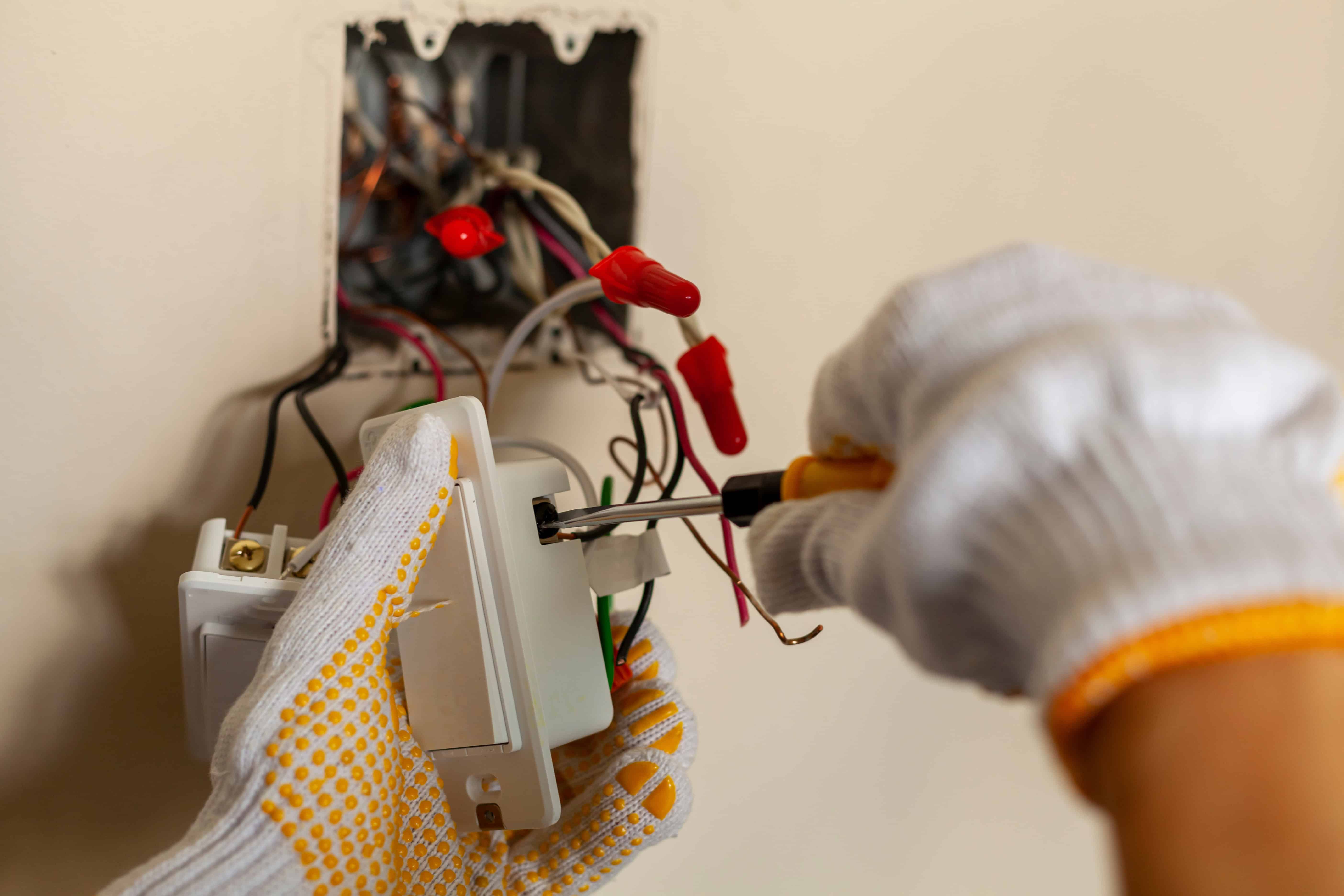
These electrical terms often come up when homeowners are updating lighting, replacing switches or outlets, planning renovations, or trying to improve the function and comfort of their home.
What is an Outlet?
What is an Outlet?
An outlet is the point where electrical devices plug into your home’s electrical system. It supplies power to appliances, chargers, lamps, and many of the everyday items used throughout the house.
Why it mattersOutlets need to be installed properly and kept in good condition to provide safe, reliable access to power where you need it.
Why you should know thisIf an outlet is loose, warm, not working properly, or no longer convenient for how you use a space, understanding what an outlet does helps you better evaluate repair or upgrade options.
What is a Receptacle?
What is a Receptacle?
A receptacle is the technical name for the part of an outlet where a plug is inserted. In everyday conversation, people often use the word outlet instead.
Why it mattersElectricians may use the word receptacle when discussing installations, replacements, inspections, or code-related work.
Why you should know thisKnowing that receptacle and outlet are closely related terms can make it easier to follow recommendations or understand written estimates and inspection notes.
What is a Dimmer Switch?
What is a Dimmer Switch?
A dimmer switch allows you to adjust the brightness of a light fixture rather than only turning it fully on or off.
Why it mattersDimmer switches can improve comfort, lighting control, and the atmosphere of a room while also helping certain lighting setups feel more flexible.
Why you should know thisIf you are updating lighting in a kitchen, dining area, bedroom, or living room, understanding dimmer switches can help you think beyond simple on-and-off lighting.
What is a Three-Way Switch?
What is a Three-Way Switch?
A three-way switch setup allows one light or fixture to be controlled from two different locations, such as both ends of a hallway or top and bottom of a staircase.
Why it mattersThis type of switch setup improves convenience and usability in spaces where one switch location alone would not be practical.
Why you should know thisIf you are renovating or rethinking how lighting works in a hallway, stairway, or larger room, this term helps explain how lighting can be controlled more efficiently.
What is Recessed Lighting?
What is Recessed Lighting?
Recessed lighting is installed into the ceiling so the fixture sits flush rather than hanging down into the room. It is a popular option for clean, modern-looking lighting.
Why it mattersRecessed lighting can provide even illumination and a more streamlined look, especially in kitchens, basements, hallways, and open living spaces.
Why you should know thisIf you are planning a renovation or lighting upgrade, understanding recessed lighting can help you evaluate whether it suits the style, ceiling layout, and lighting goals of the room.
What are Pot Lights?
What are Pot Lights?
Pot lights are another common name for recessed lights. The term is widely used by homeowners when discussing lighting upgrades, ceiling lighting, and renovation projects.
Why it mattersPot lights are a popular way to improve lighting coverage while keeping the ceiling visually clean and uncluttered.
Why you should know thisThis is one of those terms homeowners hear often during renovations. Knowing it is essentially another name for recessed lighting makes contractor and electrician conversations easier to follow.
Renovation & Upgrade Terms
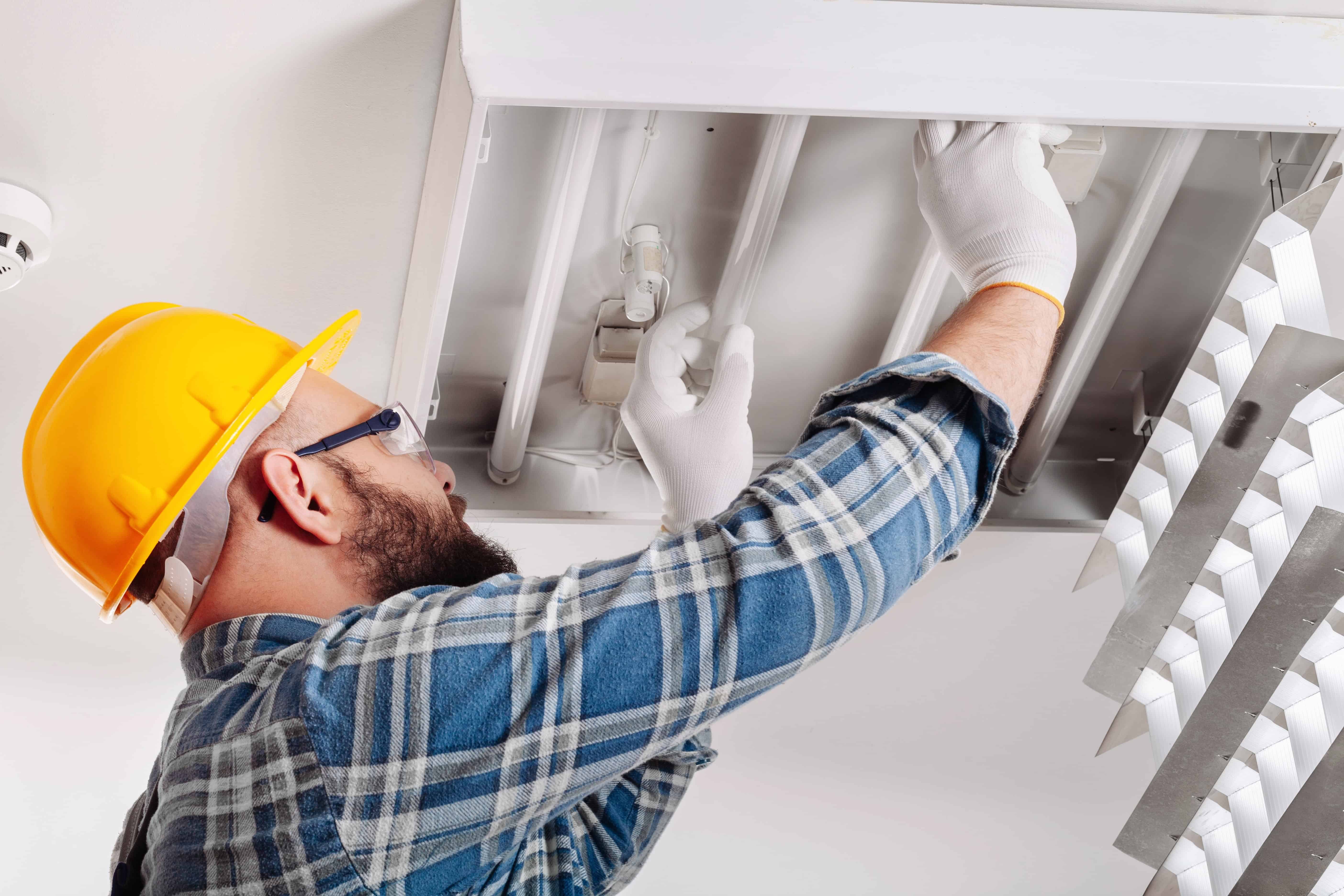
These are common electrical terms homeowners may hear when planning renovations, upgrading older systems, opening walls, or completing electrical work that needs to meet current standards and support future use.
What is Rough-In Wiring?
What is Rough-In Wiring?
Rough-in wiring is the early stage of electrical installation before walls and ceilings are finished. This is when the wiring is laid out for outlets, switches, lighting, appliances, and other planned electrical points in the space.
Why it mattersRough-in work sets the foundation for how the finished electrical system will function, so it needs to be planned carefully and installed correctly before the walls are closed.
Why you should know thisIf you are renovating a kitchen, basement, or other part of the home, this term helps explain why electrical planning needs to happen early, before finishes and fixtures are installed.
What is Finish Wiring?
What is Finish Wiring?
Finish wiring happens later in a project, after the walls and ceilings are closed up. This is the stage where switches, outlets, light fixtures, and other visible electrical devices are installed and connected.
Why it mattersThis stage brings the visible parts of the electrical system together and ensures the completed space is functional, safe, and ready to use.
Why you should know thisUnderstanding finish wiring helps homeowners see why electrical work in a renovation happens in phases and why some parts of the job happen much later than the rough-in stage.
What is Code Compliance?
What is Code Compliance?
Code compliance means electrical work is completed according to the required safety rules and standards that apply to the project. These standards are intended to help ensure the system is safe and properly installed.
Why it mattersCode-compliant electrical work helps protect your home, supports safe long-term use, and reduces the risk of issues caused by improper installation.
Why you should know thisThis term often comes up during renovations, inspections, and upgrades. Understanding it helps you see why electrical work should be done properly rather than simply made to look finished.
What is an Electrical Permit?
What is an Electrical Permit?
An electrical permit is formal approval required for certain types of electrical work. It helps ensure that the work can be reviewed and completed according to applicable safety requirements.
Why it mattersPermits are often part of doing larger electrical work the right way, especially when renovations, upgrades, or system changes are involved.
Why you should know thisHomeowners do not always know when a permit is needed, so understanding the term can help you better follow the process and understand why some projects involve more than just installation work.
What is an Electrical Inspection?
What is an Electrical Inspection?
An electrical inspection is a review of completed or in-progress electrical work to confirm that it meets the required standards and has been installed properly.
Why it mattersInspections help confirm that electrical work is safe, properly executed, and aligned with the applicable requirements for the project.
Why you should know thisIf your project involves a permit or larger electrical changes, this term helps explain why the work may need to be reviewed before the project is considered complete.
What is Load Calculation?
What is Load Calculation?
Load calculation is the process of estimating how much electrical demand a home or project will place on the system. It helps determine whether the existing service, panel, and circuits can safely support the planned usage.
Why it mattersLoad calculation plays an important role in safe electrical planning, especially when a project adds new appliances, lighting, heating or cooling equipment, or other significant power demands.
Why you should know thisThis term can help homeowners understand why an electrician may recommend a service upgrade, dedicated circuit, or panel change before new equipment is added.
What is a Panel Replacement?
What is a Panel Replacement?
A panel replacement is the process of removing an existing electrical panel and installing a new one in its place. This may be done because the old panel is outdated, damaged, undersized, or no longer well suited to the home’s electrical needs.
Why it mattersReplacing an outdated panel can improve reliability, create room for future upgrades, and better support the way a modern home uses power.
Why you should know thisHomeowners often hear this term when dealing with frequent breaker issues, renovation plans, older electrical equipment, or the need to support larger loads like EV chargers and modern appliances.
What is a Home Rewire?
What is a Home Rewire?
A home rewire is the process of replacing some or all of the electrical wiring in a home. This may be recommended when wiring is outdated, damaged, unsafe, or no longer suitable for how the home is being used.
Why it mattersRewiring can improve safety, reliability, and overall system performance, especially in older homes or during major renovations.
Why you should know thisThis term can sound bigger than many homeowners expect, so understanding it helps you better evaluate whether a project needs a targeted wiring update or a more extensive electrical overhaul.
EV Charger & Backup Power Terms
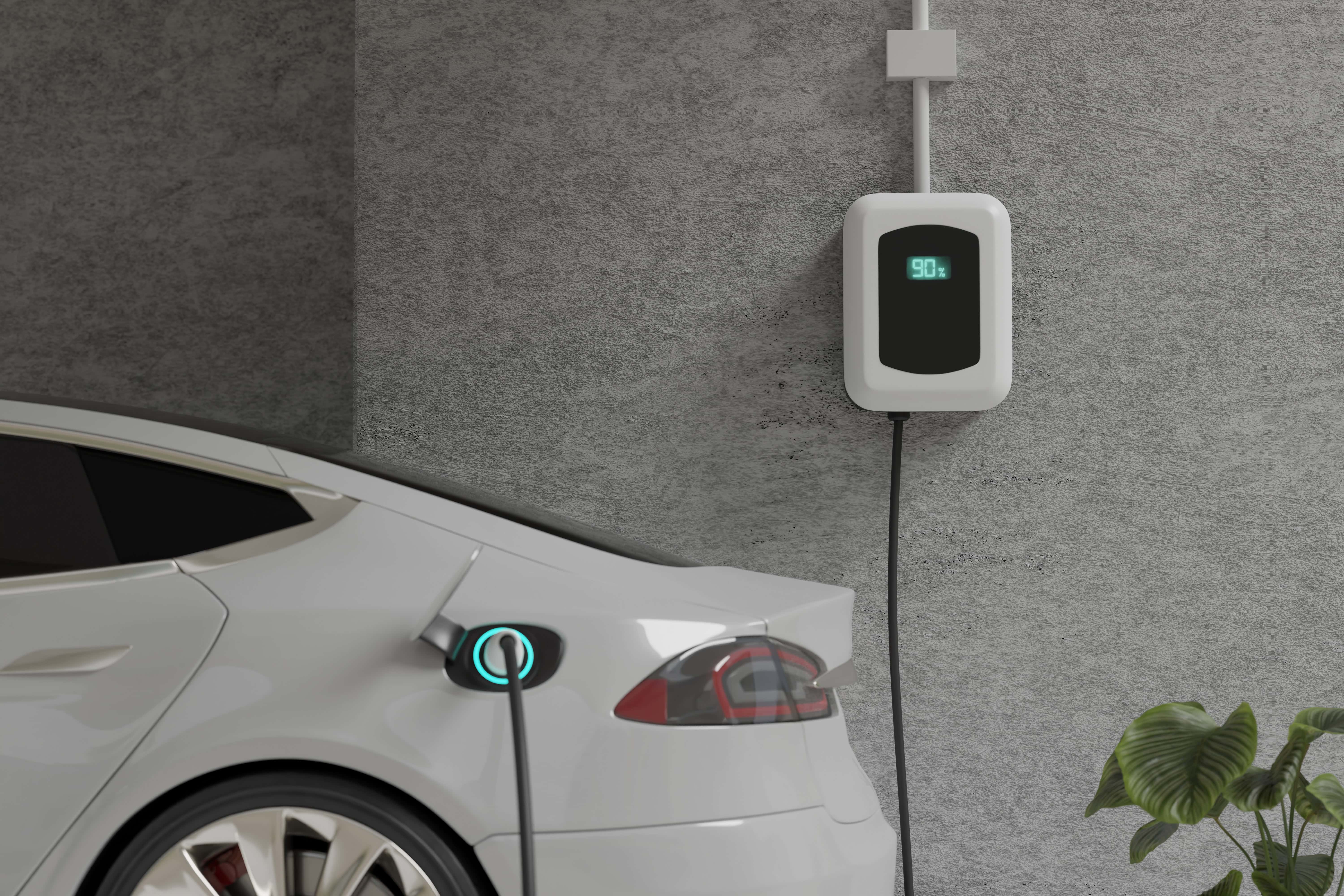
These electrical terms often come up when homeowners are planning EV charger installation, thinking about backup power, or making upgrades that support convenience, preparedness, and modern electrical use.
What is a Level 1 Charger?
What is a Level 1 Charger?
A Level 1 charger typically uses a standard household outlet to charge an electric vehicle. It is the most basic home charging option and usually does not require a specialized charger installation.
Why it mattersLevel 1 charging is simple, but it is usually slower than other charging options and may not be ideal for every driving routine.
Why you should know thisUnderstanding Level 1 charging helps homeowners compare convenience, charging speed, and whether a more dedicated setup would better suit their lifestyle.
What is a Level 2 Charger?
What is a Level 2 Charger?
A Level 2 charger uses a higher-capacity electrical connection than a standard household outlet, allowing an electric vehicle to charge more quickly at home.
Why it mattersMany homeowners choose Level 2 charging because it is more practical for regular day-to-day use and can significantly reduce charging time compared to Level 1.
Why you should know thisThis term is important if you are comparing home charging options, planning for a new EV, or trying to understand why a dedicated circuit or panel review may be recommended before installation.
What is a Generator?
What is a Generator?
A generator is a backup power source that can supply electricity when the main power to your home is interrupted. Depending on the setup, it may support selected essential circuits or a broader portion of the home.
Why it mattersGenerators can help keep important systems running during power outages, adding convenience, comfort, and peace of mind during unexpected disruptions.
Why you should know thisIf outages are a concern where you live or you want added preparedness, understanding what a generator does can help you evaluate whether backup power is worth considering for your home.
What is a Transfer Switch?
What is a Transfer Switch?
A transfer switch is a device that safely connects a generator to your home’s electrical system. It helps control how backup power is used and separates generator power from the normal utility supply.
Why it mattersA transfer switch is an important part of safe generator integration and helps ensure backup power is connected and used properly.
Why you should know thisIf you are thinking about generator installation, this term helps explain why backup power involves more than simply having the generator itself. The supporting electrical setup matters too.
What is Backup Power?
What is Backup Power?
Backup power refers to any setup that helps keep electricity available when the main power source goes out. This can include generators and other systems designed to support key functions during an outage.
Why it mattersBackup power can help maintain comfort, safety, and access to important household systems when utility power is unavailable.
Why you should know thisUnderstanding the idea of backup power can help you think more broadly about outage preparedness and what level of support makes sense for your home, lifestyle, and priorities.
Why Understanding Electrical Terms Can Help
You do not need to be an electrician to make smart decisions about your home, but understanding common electrical terms can make a big difference when repairs, upgrades, or renovation projects come up. The more familiar you are with the language, the easier it becomes to understand what an electrician is recommending, ask better questions, and feel confident about the work being done.
Whether you are hearing terms related to your panel, wiring, outlets, safety devices, lighting upgrades, EV charger installation, or backup power, a basic understanding can help you make more informed choices for your home.
It can also help you better recognize when something is routine, when an upgrade may be worth considering, and when an issue may need more immediate attention. For homeowners, that added clarity is valuable because it turns electrical work from something that feels confusing or overwhelming into something more understandable, practical, and easier to navigate.
Need Help With an Electrical Issue at Home?
If you need help with repairs, panel upgrades, rewiring, EV charger installation, generator installation, or emergency electrical service, Lumos Electric is here to help. We provide professional residential electrical services across Ottawa with safe, code-compliant workmanship and clear, honest guidance. Contact us today.